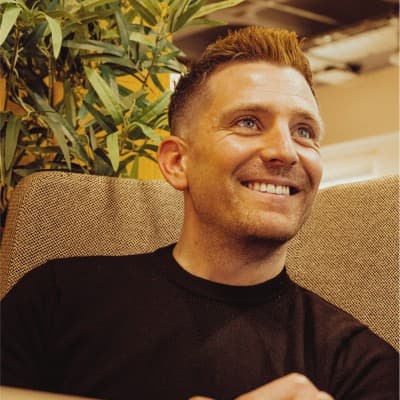
Expert to Know: Cristi Beres

What’s your backstory — how did you end up starting (or joining) an agency?
Before founding Synergo Group, I was building a product of my own and ran into a lot of common issues — unclear scope, poor tech decisions, miscommunication between business and developers. I realized there had to be a better way to run software projects. That experience made it clear what I needed to fix, and it became the foundation of Synergo Group. I knew how to build teams and lead them, but more importantly, I understood what clients needed and what they were afraid of. So I built a company that focused on contributing to outcomes, not just delivering features.
What’s one mistake you made early on that taught you something lasting?
In the early days, we tried to say yes to every client. It came from a good place — wanting to grow, wanting to help — but it wasn’t always the right fit. Some projects didn’t align with how we work or what we value. That taught me to qualify better, to ask more questions, and to recognize when “no” is the best answer for both sides.
What do you do to recharge outside of work?
I like to keep it simple. Spending time with family and staying active helps me reset. I try to keep my phone off for parts of the weekend. No Slack. No email. It gives me the space to think more clearly when Monday rolls around.
What’s your definition of “success” right now?
Happy clients who refer us. A team that sticks around and grows. Projects we’re proud of. It’s not about growth for the sake of growth — it’s about building something healthy and sustainable, where both people and businesses win.
What makes your agency different from others in your space?
We don’t just write code — we think about the end goal. Many companies execute. We contribute. That means we ask hard questions, challenge assumptions, and stay close to the business value of a project. We also share risk with our clients — especially nonprofits — and support them beyond the original scope. That’s why many of them come back, even years later.
How do you hire? What do you look for in people?
We look for people who are curious and care about the client’s outcome. Technical skill matters, of course, but we value developers who think like product people — who ask “why” before jumping to “how.” We also favor folks with an entrepreneurial mindset — people who take ownership, not just instructions.
What advice would you give to someone starting an agency today?
Don’t chase every lead. Focus on building trust and picking the right clients, not just the easy ones. Make sure you’re adding value, not just doing tasks. Also — find people you trust and build a strong core team early. That will make or break you.
What’s something you’d do differently if you were starting from scratch?
I would have said “no” more often early on — to clients, to partnerships, to distractions. And I would have invested in better internal tools and processes sooner. Those things don’t seem urgent at first, but they matter once you start to grow.
How do you approach pricing — any rules you live by?
For complex work, you can’t price everything upfront. Too many unknowns. So we break things down into smaller pieces, reduce the guesswork, and work with clients to shape things together. Discovery phases are key — they protect both sides. You can’t build a good product if you don’t understand what’s being built.
What’s one thing you wish clients understood better about agency work?
That good software isn’t just writing code — it’s asking the right questions, solving the right problems, and working together as partners. If you want good outcomes, you need more than just hands. You need a team that cares about the result.
What is one (1) fact or statistic about your industry that most people don't know?
Most people don’t realize that nearly 70% of software projects fail or fall short of expectations — not because of the tech, but because of poor communication and misalignment between business and development teams. It’s not the code that breaks things — it’s unclear goals, rushed planning, and skipping discovery.